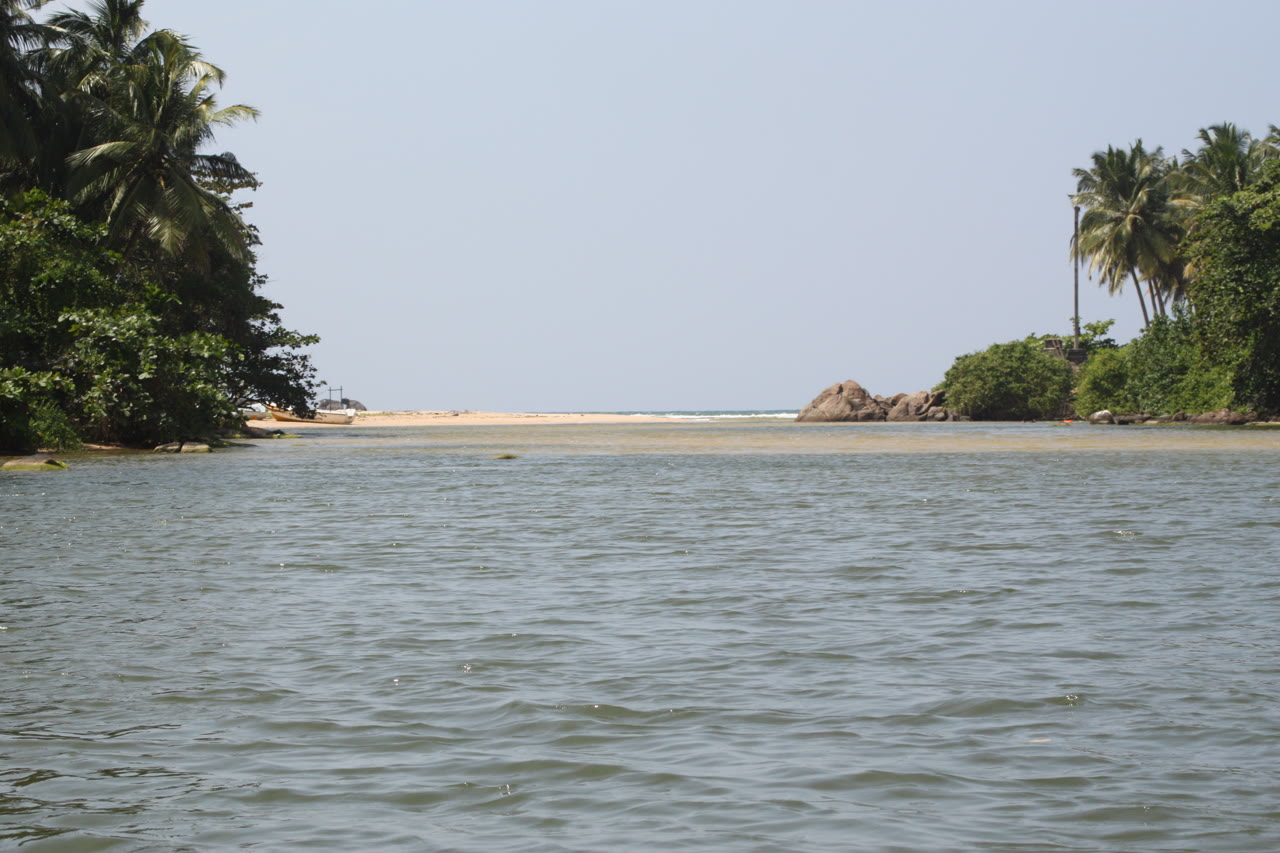
On February 27, 2024, at the 6th Session of the United Nations Environment Assembly (UNEA-6) in Nairobi, Kenya, the United Nations named Sri Lanka’s Mangrove Regeneration Initiative as one of seven prestigious UN World Restoration Flagships. Bestowed under the UN Decade on Ecosystem Restoration—spearheaded jointly by the United Nations Environment Programme (UNEP) and the Food and Agriculture Organization (FAO)—this global accolade placed Sri Lanka at the forefront of worldwide marine and coastal conservation. The initiative established an ambitious target to restore 10,000 hectares of degraded mangrove forests by 2030, expanding the island’s coastal green cover by more than 50%.
The award celebrated a groundbreaking shift from traditional mass sapling planting to a rigorous, science-led “nurturing and co-existence” restoration model. Driven by pioneering marine scientists alongside coastal fishing communities, youth groups, and women-led local organizations, the program pairs soil hydrology and native species selection with community stewardship. As vital “blue carbon” sinks that capture carbon dioxide up to five times faster than tropical rainforests and serve as natural storm shields against natural disasters like tsunamis, Sri Lanka’s restored mangrove wetlands stand as a global benchmark for climate resilience and ecological harmony.